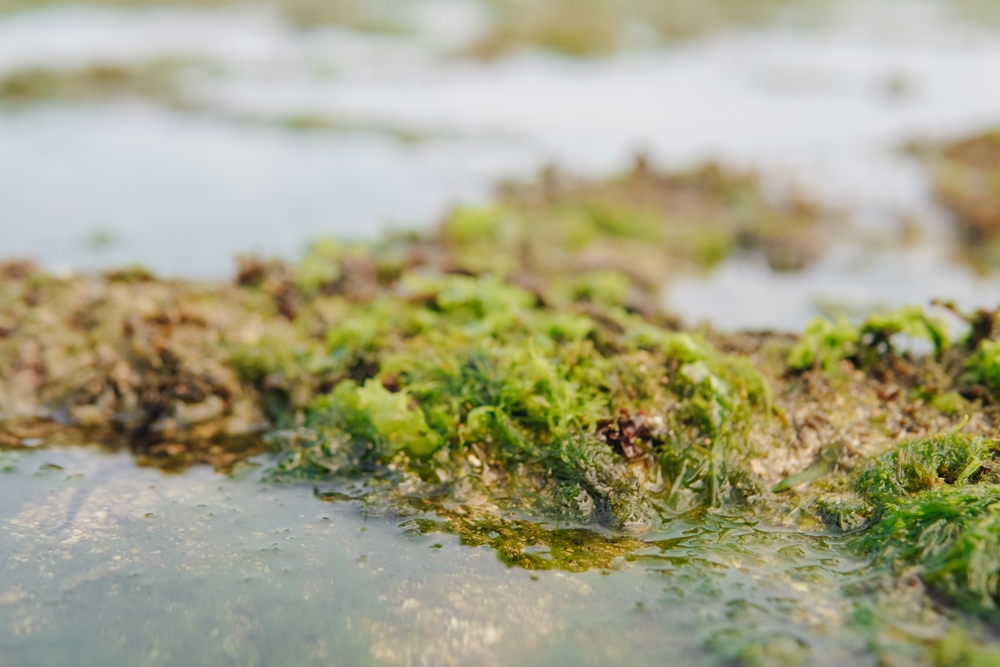
Florida's beaches delivered a brutal surprise to millions of spring break families this week – a wall of rotten-smelling brown seaweed blocking the water.
That sludge between you and the ocean isn't just ugly.
Scientists say 2026 is on track to be the worst year in history – and nobody in Washington did a thing to stop it.
Record Sargassum Seaweed Hits Florida Beaches in 2026
The blob has a name: the Great Atlantic Sargassum Belt.
It stretches across the tropical Atlantic, and right now it's carrying more seaweed than researchers have ever measured in a single season.
University of South Florida scientists confirmed that 2025 was the worst year on record, with 38 million tons floating between Africa and the Caribbean.
Then came 2026.
January data showed the bloom arriving months ahead of schedule, with every region of the Atlantic except one setting all-time records for that month.
By February the total had already grown to 13.6 million metric tons – and the season hasn't peaked yet.
USF researchers warned in their latest bulletin that 2026 is "very likely another major Sargassum year," exceeding 75% of all historical values on record.
Sargassum Health Risks on Florida Beaches This Spring
The smell alone – rotten eggs, sulfur, decomposing ocean – is enough to clear a beach.
But the smell is just a warning sign.
As sargassum rots on the shoreline, it releases hydrogen sulfide, a toxic gas that triggers headaches, eye irritation, and respiratory problems.
The EPA has documented that prolonged exposure can cause cardiovascular and neurological damage – not mild discomfort.
Researchers at the University Hospital of Martinique tracked 850 patients exposed to sargassum emissions over six years – 80% developed neurological disorders, 80% developed respiratory disorders, and 60% developed sleep apnea.
The seaweed also accumulates arsenic and heavy metals at levels exceeding food safety thresholds – meaning shellfish near these beaches are not safe to eat.
A 2025 study of cleanup workers along Mexico's Caribbean coast found hydrogen sulfide concentrations exceeding safe workplace limits in nearly half of all measurements – and those workers were outside in open air.
https://twitter.com/foxweather/status/2029663241060913392?s=20
The Florida Department of Health advises beachgoers to avoid touching or swimming near sargassum, wear gloves if contact is unavoidable, and close windows if they live within range of the smell.
Florida Taxpayers Are Eating a $13.5 Billion Sargassum Hit While Washington Looked the Other Way
Before 2011, the Great Atlantic Sargassum Belt didn't exist.
Sargassum stayed in the Sargasso Sea – the stretch of open North Atlantic it had occupied for centuries – and what occasionally drifted onto Florida beaches was minor and seasonal.
Then the belt formed, fueled by South American and African river runoff loading the Atlantic with nutrients.
Since 2011, it has come back every single year – and every year the bloom has grown.
Fifteen years of a worsening crisis, and the Biden administration's response was to publish a weekly map.
Miami-Dade County now commits $9 million of its $11 million annual beach maintenance budget to sargassum removal alone – a permanent, year-round operation across 17 miles of coastline that begins again each morning before tourists wake up.
A study published in the journal Harmful Algae calculated that sargassum invasions could cost Florida's economy up to $13.5 billion this year in lost tourism revenue – with Palm Beach and Miami-Dade taking the biggest hits.
https://twitter.com/VFCs_Travels/status/2035092936405193119?s=20
Florida Atlantic University researcher Brian Lapointe pegged the baseline annual damage at $3.5 billion.
Puerto Rico's governor declared a state of emergency over sargassum in June 2025.
Nobody in Congress held a single hearing – and nobody demanded accountability from the foreign governments whose runoff is destroying American beaches and American livelihoods.
Which Florida Beaches Have Sargassum Right Now
The Trump administration has an opportunity here that Biden never took seriously.
The source of this problem is South American and African nutrient runoff – identifiable, documentable, and the proper subject of diplomatic pressure and trade leverage.
NOAA releases a Weekly Sargassum Inundation Risk map every Tuesday – right now it shows Miami Beach and the Florida Keys in the high-risk zone alongside most of the northern Caribbean.
If you're heading to Florida's East Coast beaches this spring, check the NOAA map before you go – conditions shift week to week and some beaches will be buried while nearby ones stay clear.
FOX Weather's Dr. Tracy Fanara has been tracking conditions along the Florida coastline as spring break crowds arrive.
Florida families saved up for this trip.
They deserve a beach, not a science experiment.
Sources:
- Kieran Sullivan, "Record sargassum levels impacting Florida beaches during Spring Break," Fox Weather, March 21, 2026.
- University of South Florida Optical Oceanography Lab, "Outlook of 2026 Sargassum Blooms," USF/NOAA Sargassum Watch System, February 2026.
- AccuWeather Staff, "Record Atlantic sargassum seaweed threatens spring breakers," AccuWeather, March 2026.
- U.S. EPA, "Sargassum Inundation Events: Impacts on Human Health," EPA.gov, updated 2023.
- U.S. EPA, "Sargassum Inundation Events: Impacts on the Economy," EPA.gov, updated 2025.
- NOAA, "NOAA Supports Sargassum Response in Puerto Rico," National Centers for Coastal Ocean Science, September 2025.
- Florida Fish and Wildlife Conservation Commission, "Sargassum Bloom," MyFWC.com.