Florida bureaucrats are already scheming to cancel property tax cuts before anyone sees a single dollar of it.
Ron DeSantis found out – and he’s not leaving office without stopping them.
Ron DeSantis just blocked Florida cities from doing something that would have cost taxpayers thousands of dollars.
The $12 Billion Problem Local Politicians Wanted You to Solve
Florida’s Amendment 3 passed on November 3 with nearly 62% of the vote.
Starting January 1, 2027, the homestead property tax exemption jumps from $50,000 to $150,000 – and climbs to $250,000 by 2028.
That’s real money back in real Floridians’ pockets.
But here’s the part the mainstream media glossed over: local governments across Florida are staring down a $5 billion revenue loss in the first year alone.
By 2031, that number hits nearly $12 billion annually.
Miami-Dade alone projects losing $386 million in 2027 and nearly $697 million in 2028.
Hialeah is projecting up to $17 million in losses the first year – and reportedly eyeing salary cuts of 20% for non-union city employees.
That’s the kind of fiscal pressure that makes politicians reach for your wallet.
Florida’s Chief Financial Officer Blaise Ingoglia warned publicly that local governments were already eyeing higher sales taxes, new service fees, and freshly created taxing districts to claw back every dollar voters just took away from them.
Translation: voters said no to higher property taxes, so bureaucrats were preparing to send the bill through a different door.
DeSantis Saw the End Run Coming
Governor Ron DeSantis has been fighting this battle since before voters even cast their ballots.
He pushed Amendment 3 specifically to give Florida homeowners relief after property tax levies jumped nearly 40% over just three years – and more than doubled over the past decade.
When voters delivered a yes vote, DeSantis didn’t declare victory and walk away.
He immediately called for a special legislative session to lock in protections before local governments could maneuver around the amendment.
https://twitter.com/TrumpWorld_QQ/status/2123841701823361518?a=cH6NXXr4wbTn3lePFuM&s=20
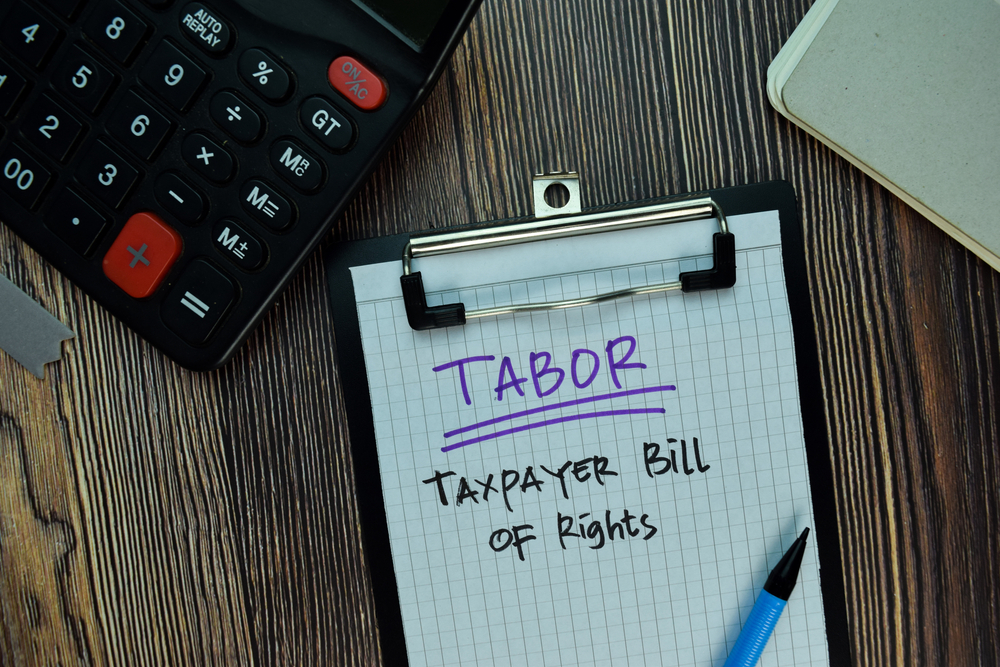
The Taxpayer Bill of Rights he’s proposing would do three things: cap local spending growth, block local governments from replacing lost property tax revenue with new taxes or fees, and give counties the ability to decide how new residents qualify for homestead benefits.
DeSantis also wants the state to set aside temporary grants from Florida’s $17.5 billion in reserves to help local governments maintain core services – police, fire, emergency response – during the transition period.
“This would not be something that would be permanent,” DeSantis said. “It would be something that gets you through.”
The grants would come with a catch: local governments seeking state help would have to explain their spending decisions.
That’s accountability local bureaucrats rarely face.
What Comes Next Will Determine Whether Voters Win or Lose
The Florida Legislature has the final say on whether the Taxpayer Bill of Rights becomes law.
New House and Senate leaders have signaled they’d rather handle Amendment 3 implementation during the regular 2027 session – after DeSantis leaves office January 5.
That matters because incoming Governor Byron Donalds has an even bolder vision.
Donalds, who takes office January 5, 2027, has pledged to pursue complete elimination of homestead property taxes if the fiscal math allows.
He campaigned on it.
Trump endorsed him on it.
Florida voters handed him a mandate to deliver it.
Property taxes in Florida account for 74% of all local tax collections, according to the Tax Foundation.
That’s not a gap any city or county absorbs quietly – and every month the Legislature waits is another month local governments have to build workarounds DeSantis is trying to prevent.
Every new fee, every new special taxing district, every creative revenue scheme they lock in before the Taxpayer Bill of Rights passes is money they’ll never give back.
The bureaucrats know this.
DeSantis knows this.
The only question is whether Florida lawmakers know it – and whether they hear from enough voters before they decide to wait.
Sources:
- Ron DeSantis, Press Conference Statement, Florida Capitol, November 4, 2026.
- Florida Office of Economic and Demographic Research, Revenue Estimating Conference Projections, 2026.
- Florida TaxWatch, “Florida Property Tax Resource Center,” September 2026.
- S&P Global Ratings, Survey of 90 Florida Local Government Bond Issuers, September 2026.
- Tax Foundation, Florida Local Tax Collection Data, 2026.
- Fox 13 News, “Florida Amendment 3: Voters Pass Historic Property Tax Caps,” November 3, 2026.